Best apps to learn japanese
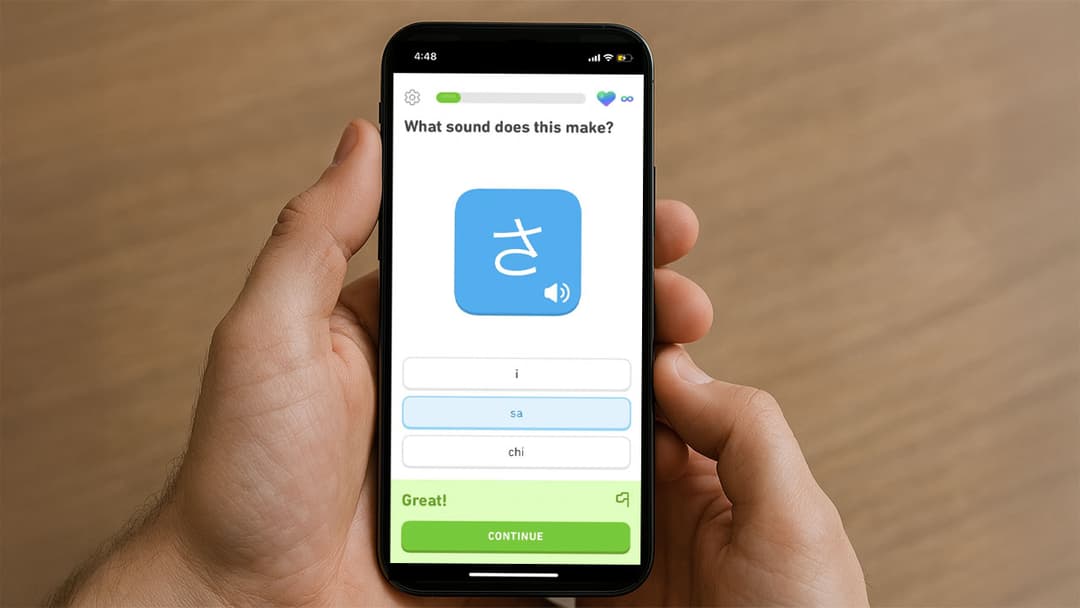
Learning Japanese can be an exciting yet challenging journey. With its intricate writing systems, nuanced grammar, and fascinating culture, it's essential to have the right tools to guide you along the way. Fortunately, today's mobile apps make it easier than ever. We've rounded up the best apps to learn Japanese that cater to different learning styles and goals. Whether you're an absolute beginner or advancing toward fluency, these apps have something for everyone.
Top apps to learn Japanese effectively
1. Duolingo
Duolingo is one of the most popular free apps for learning languages, including Japanese. It’s ideal for beginners who want a structured yet engaging introduction.
- Key features: Gamified lessons, bite-sized exercises, progress tracking, interactive quizzes.
- Platform availability: iOS, Android, Web
- Pros: Completely free, user-friendly interface.
- Cons: Limited advanced content.
Google Play:
[appbox googleplay com.duolingo]
App Store:
[appbox appstore id570060128]
2. Memrise
Memrise leverages spaced repetition and real-world video clips from native speakers, helping learners quickly memorize vocabulary and phrases.
- Key features: Spaced repetition technique, native speaker videos, interactive flashcards.
- Platform availability: iOS, Android, Web
- Pros: Practical content, engaging format.
- Cons: Full content requires a paid subscription.
Google Play:
[appbox googleplay com.memrise.android.memrisecompanion]
App Store:
[appbox appstore id635966718]
3. Rosetta Stone
Rosetta Stone has built a solid reputation for immersive language learning, focusing heavily on speaking and listening skills.
- Key features: Immersive methodology, speech recognition, audio lessons.
- Platform availability: iOS, Android, Web
- Pros: Great for pronunciation and speaking practice.
- Cons: Premium subscription necessary for full access.
Google Play:
[appbox googleplay air.com.rosettastone.mobile.CoursePlayer]
App Store:
[appbox appstore id435588892]
4. Lingodeer
Lingodeer is specifically designed for Asian languages, providing detailed grammar explanations alongside vocabulary drills.
- Key features: Detailed grammar notes, structured lessons, pronunciation practice.
- Platform availability: iOS, Android
- Pros: Excellent grammar guidance, clear lesson structure.
- Cons: Subscription required for all features.
Google Play:
[appbox googleplay com.lingodeer]
App Store:
[appbox appstore id1261193709]
5. HelloTalk
HelloTalk facilitates language exchange, connecting you directly with native Japanese speakers for real-time practice.
- Key features: Chat with native speakers, built-in correction tools, community-driven approach.
- Platform availability: iOS, Android
- Pros: Real conversational practice, community-focused.
- Cons: Less structured for absolute beginners.
Google Play:
[appbox googleplay com.hellotalk]
App Store:
[appbox appstore id557130558]
6. Anki
Anki is a powerful flashcard app perfect for learners who want personalized and highly customizable vocabulary practice.
- Key features: Custom flashcards, spaced repetition, offline access.
- Platform availability: iOS, Android, Web, Desktop
- Pros: Customizable, highly effective for vocabulary retention.
- Cons: Interface can be complex for beginners.
Google Play:
[appbox googleplay com.ankiapp.client]
App Store:
[appbox appstore id689185915]
7. Drops
Drops is ideal for visual learners, offering beautifully designed visual aids and engaging short lessons that make vocabulary memorization enjoyable.
- Key features: Visual learning, bite-sized daily lessons, engaging interface.
- Platform availability: iOS, Android
- Pros: Visually appealing, effective vocabulary builder.
- Cons: Limited free daily use.
Google Play:
[appbox googleplay com.languagedrops.drops.international]
App Store:
[appbox appstore id939540371]
8. Busuu
Busuu combines structured lessons with community feedback, allowing you to practice real-life conversations and receive corrections from native speakers.
- Key features: Structured lessons, feedback from native speakers, certification available.
- Platform availability: iOS, Android, Web
- Pros: Interactive community, practical exercises.
- Cons: Full content requires a premium subscription.
Google Play:
[appbox googleplay com.busuu.android.enc]
App Store:
[appbox appstore id379968583]
9. JapanesePod101
JapanesePod101 offers extensive audio and video lessons, perfect for learners who prefer auditory and visual learning.
- Key features: Audio lessons, downloadable content, grammar explanations.
- Platform availability: iOS, Android, Web
- Pros: Comprehensive resources, ideal for listening skills.
- Cons: Premium required for full access.
Google Play:
[appbox googleplay com.innovativelanguage.innovativelanguage101]
App Store:
[appbox appstore id668386019]
10. Kanji Study
Kanji Study focuses specifically on mastering kanji characters, providing an extensive library of kanji with stroke order animations and quizzes.
- Key features: Kanji practice, stroke order animations, quizzes and flashcards.
- Platform availability: Android
- Pros: Specialized kanji learning, very comprehensive.
- Cons: Primarily suited for Android users.
Google Play:
[appbox googleplay com.lulilanguages.j5KjAnd]
App Store:
[appbox appstore id1078107994]
Choosing the best Japanese learning app
Each app mentioned caters to specific learning preferences:
- For beginners: Duolingo or Lingodeer.
- Conversational practice: HelloTalk or Busuu.
- Visual learners: Drops.
- Kanji mastery: Kanji Study.
- Comprehensive approach: Rosetta Stone or JapanesePod101.
Select the app that best matches your learning style and start your journey toward Japanese fluency today!